Breath, Diaphragm & Pelvic Floor Integration
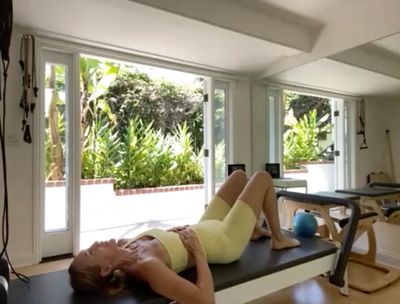
Inner and Outer Unit Coordination for Optimal Alignment
At OBA Pilates, breath is the starting point for how the body organizes support and movement. Rather than being treated as a separate technique, breath informs alignment, stability, and efficiency throughout the body.
How you breathe influences posture, spinal support, and how forces are managed during movement. When breath is restricted or disconnected, the body often compensates through bracing, excess tension, or inefficient movement patterns. Over time, this can reduce movement quality and increase strain.
Restoring awareness to breath allows the body to organize from the inside out, creating a stable foundation for intelligent movement.
The Inner Unit: Deep Stabilization & Pressure Regulation
Integrated Stabilization for Optimal Alignment
In Pilates, the diaphragm is part of what is often referred to as the Inner Unit — the body’s deep stabilizing system. This system includes the diaphragm, transverse abdominis, pelvic floor, and multifidi, which work together to support the spine and organize movement.
Rather than functioning in isolation, these muscles coordinate continuously to regulate intra-abdominal pressure, providing internal support and stability. When the Inner Unit is responsive and well-coordinated, the body feels supported from within and movement becomes fluid, efficient, and controlled.
When this system is disrupted — often due to stress, injury, habitual bracing, prolonged sitting, or altered breathing patterns — the body may compensate with rigidity, tension, or inefficient movement strategies. Over time, this can contribute to discomfort, fatigue, or a sense of instability, even in otherwise strong or active bodies.
By restoring awareness to the breath and its relationship to the Inner Unit, the body can reestablish internal support without force. The diaphragm regains natural mobility, the deep abdominal system responds more effectively, the pelvic floor participates organically, and the spine is stabilized through coordination rather than effort.
The Outer Unit: Movement, Strength & Load Transfer
The Outer Unit consists of the larger, global muscles responsible for movement and power—such as the gluteals, hip musculature, abdominals, back muscles, and shoulder girdle.
These muscles are designed to generate force and manage external load. When the Inner Unit lacks coordination or timing, the Outer Unit often compensates by working harder than necessary. This can increase strain, reduce efficiency, and place added demand on the pelvic floor and spine.
Optimal movement depends on the Outer Unit working with the Inner Unit—not overriding it.
Pelvic Floor Integration
The pelvic floor is a key component of the Inner Unit and plays a vital role in how the body manages pressure, support, and movement. Rather than functioning as a muscle to be isolated or constantly contracted, the pelvic floor is meant to respond dynamically—lengthening, supporting, and recoiling as part of an integrated system.
When coordinated with the diaphragm and deep abdominal muscles, the pelvic floor helps regulate internal pressure, supports spinal stability, and adapts to changes in load and movement. When this coordination is disrupted, symptoms such as tension, weakness, or instability may arise—not as isolated pelvic floor issues, but as part of a broader movement pattern.
This work emphasizes awareness, timing, and responsiveness, allowing the pelvic floor to participate naturally within the whole system rather than through force or over-effort.
A Foundational Approach
Before layering strength or complex movement, it is essential to restore internal coordination. This work is subtle, progressive, and foundational, creating support from the inside out.
It is not about doing more.
It is about moving with awareness, efficiency, and long-term resilience.
This foundational work is further explored through ALIGN, an awareness-based practice designed to support internal coordination and nervous system regulation.